Rosemary oil has become one of the most talked-about natural hair care ingredients, and for good reason. It has been used for centuries in scalp tonics and hair rinses around the Mediterranean, and modern research has started to take a closer look. It is not a miracle cure, but for many people it is a gentle, affordable and natural way to support a healthier scalp – and a massage ritual that simply feels good.
In this guide you will find what the research actually says, how to dilute rosemary oil safely, how to massage your scalp step by step, a simple weekly routine and answers to the most common questions.
What is rosemary essential oil?
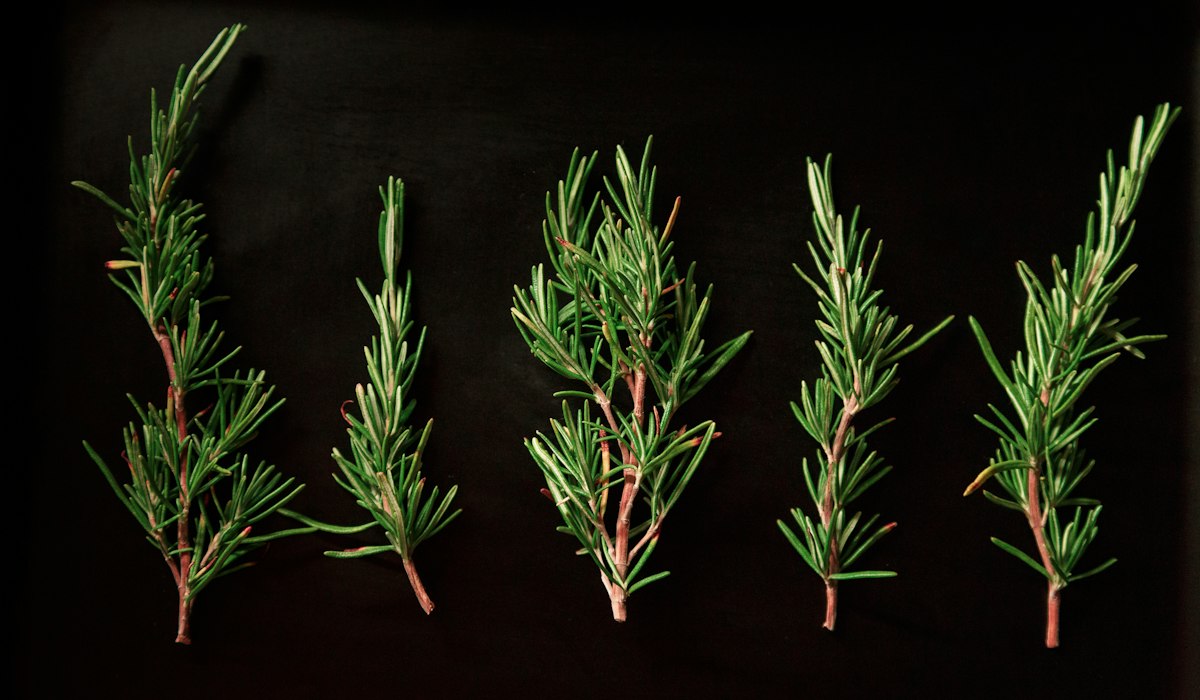
Rosemary essential oil is steam-distilled from the leaves and flowering tops of the rosemary plant (Salvia rosmarinus, formerly Rosmarinus officinalis). It takes a large amount of plant material to fill one small bottle. That is why essential oils are so concentrated – and why they must always be diluted before they touch your skin.
Its aroma is fresh, woody and herbal. Many people find it clarifying and energising, so it is a popular morning scent as well as a hair care ingredient.
What does the research say?
The study quoted most often is a small randomised trial published in 2015 (Panahi et al., SKINmed). Around 100 adults with pattern hair thinning applied either diluted rosemary oil or 2% minoxidil to their scalp for six months. Both groups saw a similar increase in hair count at six months, and scalp itching was reported less often in the rosemary group.
That is encouraging, but it is one small study. Neither group saw a meaningful change after three months, which is a good reminder that patience matters. Rosemary oil is best seen as supportive scalp care, not as a treatment for medical hair loss.
How rosemary oil supports the scalp
Rosemary essential oil is stimulating and toning. Massaging it into the scalp encourages blood flow to the hair follicles, and its fresh, herbal aroma makes it a pleasant part of a self-care routine. It is also traditionally used to help balance an oily scalp and reduce flaking.
The key word is routine. Any benefit comes from regular use over months, not from a single application.
Never use it undiluted
Essential oils are highly concentrated. Always mix rosemary oil with a carrier oil before use:
| Use | Rosemary oil | Mix with |
|---|---|---|
| Scalp massage oil | 3–5 drops | 1 tablespoon (15 ml) carrier oil |
| Sensitive scalp or overnight | 2–3 drops | 1 tablespoon (15 ml) carrier oil |
| Shampoo boost | 1–2 drops | one portion of shampoo in your palm |
Do a patch test on the inside of your arm 24 hours before first use, and keep the oil away from your eyes. Never add essential oil to a whole bottle of shampoo – the dose becomes uneven.
Choosing a carrier oil
The carrier oil matters as much as the essential oil. Pick one that suits your hair:
- Sweet almond oil – light and gentle, suits most hair types.
- Jojoba oil – close to the skin's own sebum, a good choice for an oily scalp.
- Argan oil – richer, lovely for a dry scalp and dry ends.
- Coconut oil – very nourishing but heavy; best for thick, dry hair and needs a thorough wash.
You will find cold-pressed options among our natural oils.
How to massage your scalp, step by step
- Start with dry or slightly damp hair and part it into four sections.
- Warm about a teaspoon of your oil blend between your palms and apply it along the partings with your fingertips.
- Using the pads of your fingers, not your nails, make small circles from the hairline to the crown and down to the nape. Keep going for 3–5 minutes.
- Finish with gentle pressure at the temples and at the base of the skull – a small moment of calm in a busy day.
- Leave the oil on for at least 30 minutes, or overnight with a towel over your pillow. Then shampoo; a second wash may be needed to remove all the oil.
A simple weekly routine
- Once a week – exfoliate. Product build-up and dead skin can clog the scalp. A gentle pre-wash scrub like Renewal of Scalp clears the way.
- 2–3 times a week – massage. Use your diluted rosemary oil as described above.
- Every day – feed the roots. A leave-in serum such as Beauty Inspirer, rich in plant-based vitamins and minerals, keeps nourishing the roots between washes.
- Wash gently. Harsh sulphates strip the scalp. Choose a natural, sulphate-free shampoo so your scalp stays balanced.

Prefer something lighter? Try a rosemary rinse
If oil feels too heavy for your hair, a rosemary rinse is an easy alternative. Steep a handful of fresh rosemary, or 2 tablespoons of dried, in 500 ml of just-boiled water for 20–30 minutes. Strain it and let it cool.
After shampooing, pour the rinse slowly over your scalp as the final step – there is no need to wash it out. Keep it in the fridge and use it within 3–4 days.
Common mistakes to avoid
- Using too much oil. More drops do not bring faster results, only a higher risk of irritation.
- Applying it only to the lengths. The massage and the oil belong on the scalp.
- Leaving heavy oil on for days. Wash it out within a day so it does not clog the scalp.
- Giving up after a few weeks. Hair changes slowly; judge after months, not days.
How long until you see results?
Hair grows about 1 cm a month, and every follicle goes through phases of growth, rest and shedding. Changes in thickness therefore take time: give any new routine at least three to six months. Take a photo of your parting on day one, in the same light each time – it is the easiest way to notice change.
Who should avoid rosemary oil?
Do not use rosemary essential oil during pregnancy or breastfeeding, if you have epilepsy or high blood pressure, or on young children. If you take regular medication, ask your doctor first. Stop using it if your scalp becomes red or itchy.
When to see a professional
Sudden or patchy hair loss can have medical causes such as thyroid problems, iron deficiency or stress. If you are worried, talk to your GP or a trichologist first.
Frequently asked questions
How often should I use rosemary oil? Two to three times a week is plenty for most people.
Can I leave rosemary oil in my hair overnight? Yes, when it is diluted in a carrier oil. Protect your pillow with a towel.
Is rosemary oil good for oily hair? Many people with an oily scalp like it, because it feels fresh and clarifying. Wash it out well.
Can I use rosemary oil on coloured hair? Diluted rosemary oil is generally fine for coloured hair; do a strand test if you are unsure.
Can I mix rosemary with other essential oils? Yes – lavender and peppermint are popular partners. Keep the total at 3–5 drops per tablespoon of carrier oil.
Discover our 100% pure essential oils and natural hair care – handmade in Scotland.