Shampoo bars have moved from niche eco shops into everyday bathrooms. But are they really better than a bottle of liquid shampoo? The honest answer: both can be great – the right choice depends on your hair, your habits and how much you care about packaging.
In this guide we compare the two side by side, explain why natural shampoos behave differently from supermarket ones, and share practical tips for switching to a bar without a bad hair week.
What exactly is a shampoo bar?
A shampoo bar is, quite simply, shampoo without the water. Gentle cleansing ingredients, plant oils and butters, clays and essential oils are combined and pressed or moulded into a solid bar.
A shampoo bar is not the same as an ordinary bar of soap. Traditional soap is alkaline and can leave hair feeling dull and tangled. A bar made for hair is formulated to cleanse the scalp gently and leave the lengths soft, so always check that the label says shampoo, not soap.
The quick comparison
| Shampoo bar | Liquid shampoo | |
|---|---|---|
| Packaging | Paper or none | Plastic bottle |
| Water content | Almost none | Often 70–80% |
| Washes per product | Around 60–80 | Around 30–40 per 250 ml |
| Travel | Solid – no liquid limits | Needs a travel bottle |
| Feel | Rich, concentrated lather | Familiar, easy to spread |
| Space in the shower | Fits on a small soap dish | Needs shelf space for bottles |
Why choose a shampoo bar
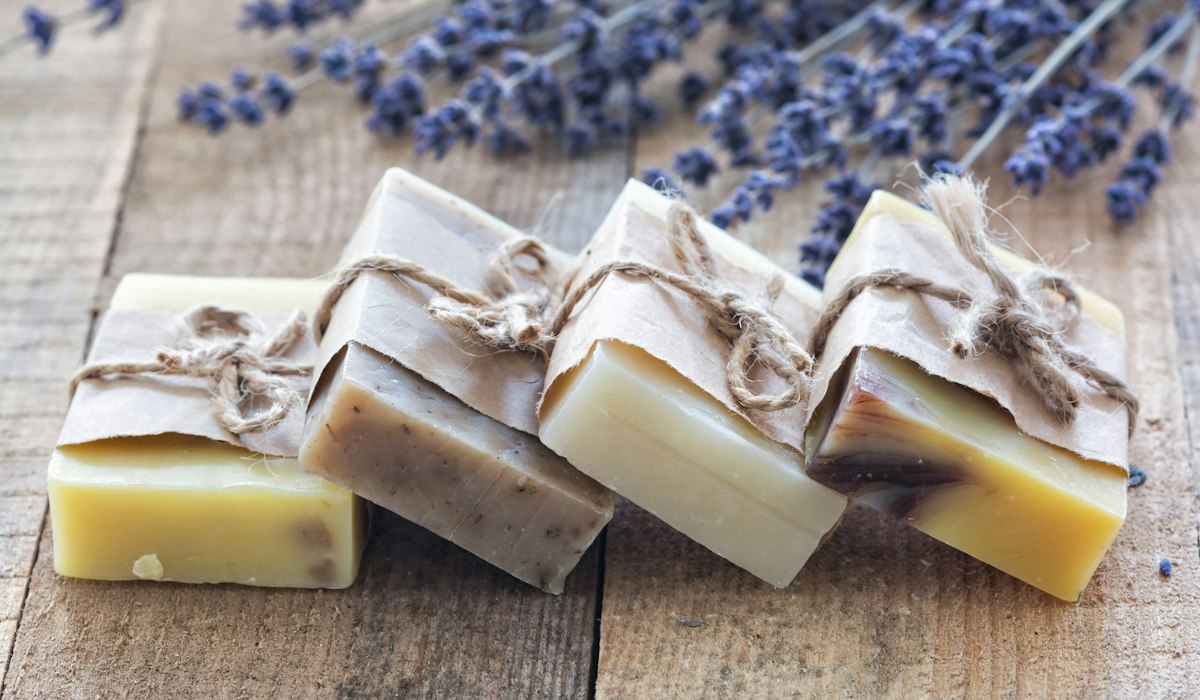
- Less waste. No plastic bottle to throw away – most bars come in paper or no packaging at all.
- More concentrated. Without water, a bar is almost pure cleansing and caring ingredients, so a single bar lasts for weeks.
- Great for travel. It goes in your hand luggage, never leaks and does not count towards liquid limits.
- Fewer preservatives. Because a solid bar contains very little water, it usually needs fewer preservatives than a liquid formula.
- Lighter to ship. Less weight and volume means a smaller transport footprint.
Why some people prefer liquid
Liquid shampoo is easy to spread through very long or very thick hair, and it is practical in a family bathroom where several people share one bottle. Some people simply enjoy the ritual of a pump bottle.
That is perfectly fine. A natural, sulphate-free liquid shampoo is still a far gentler choice than a conventional one, and it can sit happily alongside a bar – many people keep a bar for travel and the gym and a bottle at home.
Why natural shampoos lather differently
Natural shampoos – bar or liquid – often foam less than supermarket brands, because they do not rely on harsh sulphates. Less foam does not mean less clean. The lather you see is not what removes oil and dirt; the gentle cleansing ingredients do that job without stripping your scalp.
We explain this in more detail in Why do natural shampoos not foam?
Which Vilana shampoo bar suits your hair?
- Dry, weak or damaged hair: Purity or Herbal Magic
- Normal to oily hair: Nature's Power
- Problematic, itchy or flaky scalp: Sensation, with Rhassoul clay
- Oily roots and fine hair: Tropic Glow
Not sure? Start with the bar that matches your scalp rather than your lengths – a happy scalp is the base of healthy hair.
How to use a shampoo bar
- Wet your hair thoroughly with warm water.
- For short or medium hair, glide the bar 3–4 times directly over the wet hair from the roots back. For long or very thick hair, rub the bar between your hands to build a lather first.
- Massage the lather into your scalp with your fingertips for a minute – the lengths get cleaned as you rinse.
- Rinse very well. If your hair is long or oily, a second, shorter wash often gives the best result.
- Let the bar dry on a draining soap dish.

How to make your shampoo bar last longer
- Keep it dry between washes. A bar sitting in water turns soft and melts away. A soap dish with drainage slots or a small rack makes a big difference.
- Keep it out of the water stream. Put it on a shelf away from the shower head.
- Cut it in half. Use one half while the other stays dry and firm.
- Travel smart. Let the bar dry completely before putting it in a tin.
With good care, one bar usually replaces two to three bottles of liquid shampoo.
The transition period
If you are switching from conventional shampoo, your hair may feel different for a week or two. Many conventional products leave silicones and other coatings on the hair, and it takes a few washes for these to rinse away while your scalp rebalances.
To make the transition easier:
- Wash twice for the first week.
- Finish with a light, natural conditioner on the lengths.
- If hair feels heavy, try a clarifying rinse once a week: 1 tablespoon of apple cider vinegar in 250 ml of water, poured over the hair and rinsed after a minute.
Frequently asked questions
How long does one shampoo bar last? Usually 60–80 washes, depending on your hair length and how well the bar dries between uses.
Is a shampoo bar suitable for coloured hair? A gentle, sulphate-free bar is generally kind to coloured hair. If your colour is very fresh, wait a few days before the first wash.
Can I use a shampoo bar on curly hair? Yes. Rub the bar between your hands rather than directly on the hair, focus on the scalp and always follow with conditioner.
Can I use the same bar on my body? A shampoo bar is formulated for hair and scalp. It will not harm your skin, but a dedicated body bar will feel better.
So which should you choose?
Choose a shampoo bar if you want less plastic, travel often or like concentrated, long-lasting products. Choose a liquid shampoo if you have very long or thick hair, share a bathroom with a family, or simply love your routine. Whichever you pick, choosing a natural, sulphate-free formula is the step that makes the biggest difference for your scalp.
Explore all our natural shampoos – handmade in Scotland, free from sulphates and parabens.