Sensitive skin reacts easily: tightness after washing, redness, stinging when you try something new. The good news is that it usually needs less, not more. A short, gentle routine with calming ingredients is often the best thing you can do for it.
In this guide you will find what sensitive skin really means, which ingredients it tends to love and which it dislikes, a simple morning and evening routine, and everyday habits that make a real difference.
What is sensitive skin?
Sensitive skin is not a medical diagnosis – it describes skin that reacts more easily than average. Very often the skin's protective barrier is weaker, so moisture escapes more quickly and irritants get in more easily.
Common triggers include cold wind and central heating, hot water, harsh cleansers, strong fragrance, stress and too many products at once.
Signs your skin may be sensitive
- It feels tight or itchy after washing
- It turns red easily, for example after a warm shower or in cold wind
- New products often sting or burn
- Dry, flaky patches appear, especially in winter
What sensitive skin dislikes
- Harsh foaming cleansers that strip natural oils
- Strong fragrance and high concentrations of essential oils
- Scrubbing with rough exfoliants
- Very hot water and washing too often
- Too many new products at once
Ingredients sensitive skin often loves
- Aloe vera – cooling and hydrating
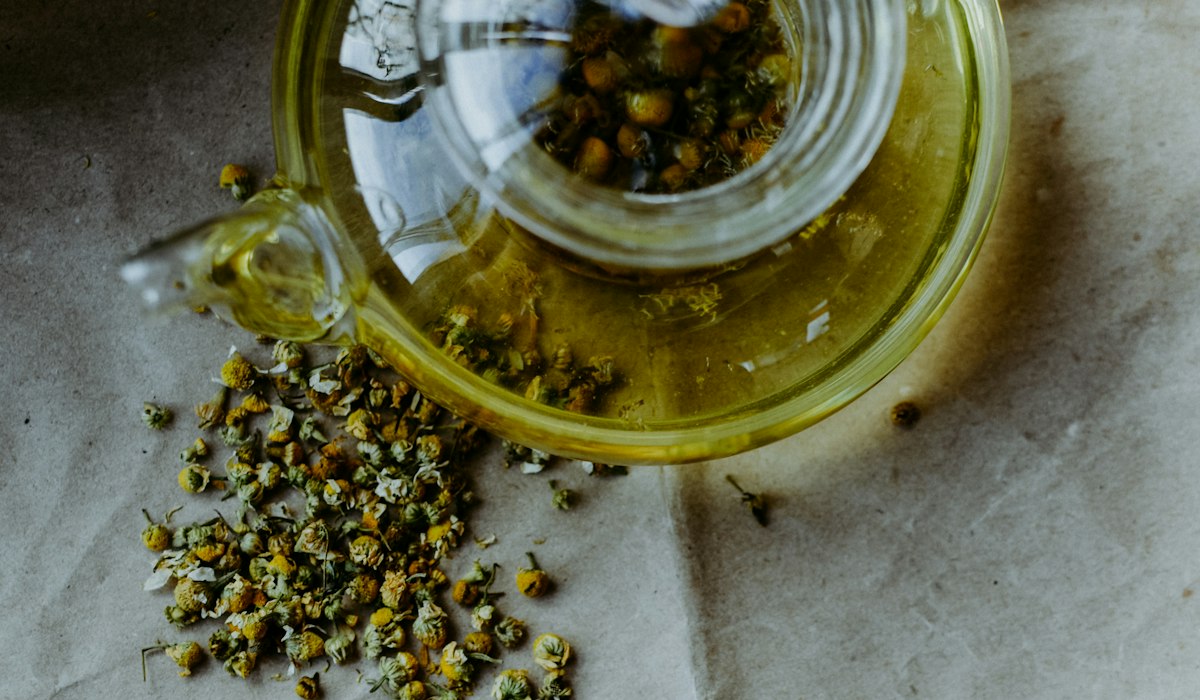
- Chamomile and calendula – traditionally used to calm the skin
- Green tea – rich in antioxidants
- Rose, melissa and lavender floral waters – gentle hydration with a soft scent
- Light plant oils such as jojoba or sweet almond – support the skin's barrier

A simple 4-step routine
1. Cleanse gently (morning and evening). Use lukewarm, not hot, water and a mild cleanser that leaves skin comfortable, never squeaky. The Sakura Blossom Cleanser with melissa and lavender cleanses without compromising the skin's natural barrier. Pat your face dry with a soft towel instead of rubbing.
2. Tone and hydrate. A floral-water toner adds a first layer of moisture. The Sakura Blossom Toner with Damask rose and Manuka flower waters soothes and refreshes.
3. Calm with a serum. For skin prone to redness, a lightweight serum with green tea and aloe vera – like Green Serenity – is like a daily dose of calm.
4. Moisturise. Finish with a light cream that locks in moisture. The Sakura Blossom Face Cream absorbs quickly and leaves skin soft.
In the morning, add sun protection as the final step – UV is one of the biggest triggers for redness.
Your routine at a glance
| Step | Morning | Evening |
|---|---|---|
| Cleanse | Gentle cleanser or just lukewarm water | Gentle cleanser |
| Tone | Floral-water toner | Floral-water toner |
| Treat | Calming serum | Calming serum |
| Moisturise | Light face cream | Face cream |
| Protect | Sun protection | – |
Introduce new products slowly
- Patch test on the inner arm or behind the ear for 24–48 hours.
- Add one new product at a time and wait a week before the next.
- If something stings or burns, rinse it off and stop using it.
Weekly extras
Once a week, a gentle clay mask such as White Pearl, made with mild kaolin clay, can refresh the skin without irritation. Mix it with floral water instead of plain water, leave it on for no more than 10 minutes and rinse before it dries completely.
Skip grainy scrubs. If you want to exfoliate, a clay mask is usually enough for sensitive skin.
Everyday habits that help
- Protect your skin from wind and cold. A scarf and a richer cream on cold days make a big difference.
- Mind the heating. Dry indoor air pulls moisture from the skin; a bowl of water near the radiator or a humidifier helps.
- Change your pillowcase often. Twice a week is a good habit for reactive skin.
- Keep it simple. Four good products used every day beat ten used now and then.
- Sleep and stress. Both show on the skin – a calm evening routine helps more than you might think.
When to see a professional
If redness, itching or flaking is persistent or painful, it may be a condition such as eczema or rosacea. A dermatologist or your GP can help.
Frequently asked questions
Can sensitive skin use products with essential oils? Many people with sensitive skin are fine with products that contain small, well-balanced amounts. Always patch test and avoid applying essential oils neat.
Is natural always gentler? Not automatically. Natural ingredients can irritate too, so choose products made for sensitive skin and introduce them slowly.
How long before I see a difference? The skin renews itself roughly every four weeks, so give a new routine four to six weeks.
Should I exfoliate sensitive skin? Gently and rarely – once a week at most, and without rough scrubs.
Discover the complete Sakura Blossom range – created especially for sensitive, dry and combination skin.