Hydrolats – also called floral waters or hydrosols – are one of the gentlest and most underrated products in natural skincare. If you have ever wanted the benefits of a plant without the strength of an essential oil, this is it.
In this guide you will learn how hydrolats are made, how to tell a real floral water from a scented one, which floral water suits your skin, eight ways to use it and how to store it.
What is a hydrolat?
When plants are steam-distilled to make essential oil, two things are collected: a tiny amount of oil and a much larger amount of fragrant water. That water is the hydrolat. It carries the plant's water-soluble compounds and a soft version of its scent.
Because it takes a lot of plant material to produce even a little essential oil, every distillation also gives a generous amount of hydrolat. For centuries this water was used on its own – rose water, for example, has been part of beauty rituals from the Middle East to Europe for hundreds of years.
Hydrolat vs essential oil
| Hydrolat | Essential oil | |
|---|---|---|
| Strength | Very gentle | Highly concentrated |
| Use on skin | Directly, no dilution | Always diluted |
| Scent | Soft, fresh | Intense |
| Best for | Toning, misting, sensitive skin | Aromatherapy, massage blends |
Real floral water or just scented water?
Not everything called rose water is a true hydrolat. Some products are simply water with added fragrance or a few drops of essential oil. A real floral water is the distillate itself. Check the ingredients list: it should name the plant distillate first, with at most a gentle preservative, and no perfume.
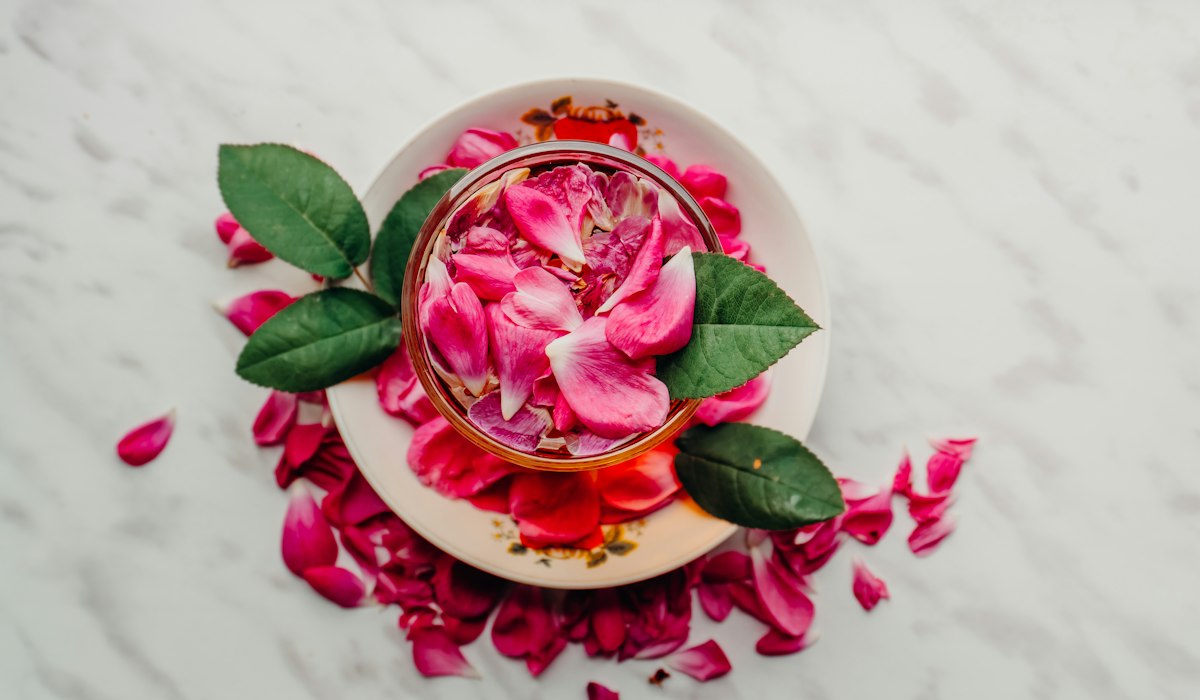
Popular floral waters and how they are used
- Rose – soft, romantic scent; traditionally used to refresh and soothe dry or mature skin.
- Lavender – calming and balancing; a favourite for dry, irritated skin and as a pillow mist.
- Chamomile – very gentle; loved for sensitive skin and as a mild make-up remover.
- Melissa (lemon balm) – fresh and lemony; soothing for sensitive, reactive skin.
- Geranium – rosy and green; used to balance both dry and oily areas.
- Rosemary, peppermint and juniperberry – brisk and clarifying; a good match for oily or combination skin and for the scalp.
Which floral water for your skin?
- Dry or sensitive skin: Rose or Chamomile floral water
- Dry or irritated skin: Lavender floral water
- Oily or combination skin: Rosemary, Peppermint or Juniperberry floral water
- Sensitive, irritated skin: Melissa or Geranium floral water
8 ways to use floral water
- As a toner. After cleansing, mist your face or apply with a cotton pad. It refreshes and preps the skin for serum and cream.
- To set make-up. A light mist gives a dewy, fresh finish.
- To refresh during the day. Keep a bottle in your bag – perfect in a warm office or on a flight.
- In a DIY face mask. Mix with clay instead of plain water for a more pampering mask.
- As a gentle make-up remover. Chamomile water works beautifully on a cotton pad.
- On hair. A mist of rosemary water on the scalp is a light, fresh treat between washes.
- After sun or after shaving. Keep lavender or chamomile water in the fridge and mist it on warm skin for instant comfort.
- In the bath or a foot soak. Add a generous splash to warm water for a softly scented, relaxing soak.
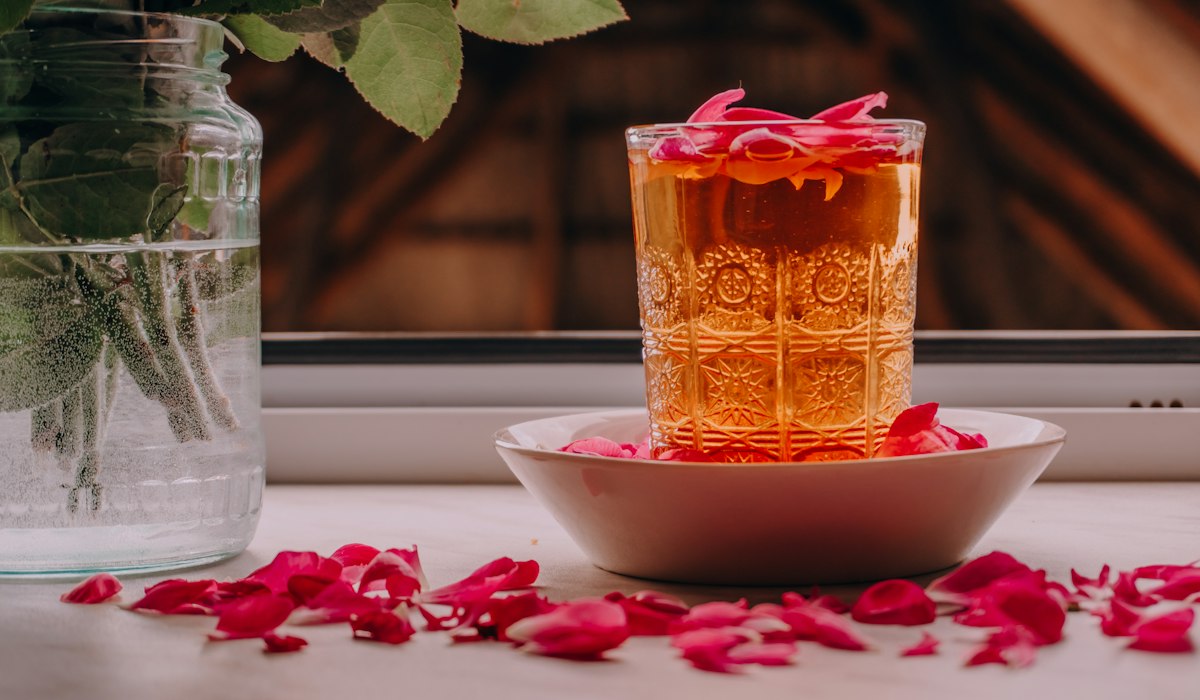
A simple routine with floral water
Morning: cleanse gently or simply rinse with water, mist with floral water, then apply a light moisturiser.
Evening: remove make-up and cleanse, mist with floral water, then apply your serum or night cream while the skin is still slightly damp – it helps the cream spread and absorb.
Once a week: use floral water instead of plain water in a clay mask.
How to store it
Keep floral water in a cool, dark place and use it within the time shown on the label once opened – for most hydrolats this is around six months. Many people love keeping a bottle in the fridge for an extra-cooling mist in summer. If the scent changes or the water turns cloudy, it is time to replace it.
Frequently asked questions
Can I use a hydrolat every day? Yes. Floral waters are gentle enough for daily use, morning and evening.
Can I spray it near my eyes? Close your eyes when you mist, and do not spray directly into them.
Do I still need a moisturiser? Yes. A hydrolat refreshes and preps the skin, but it does not replace a cream or oil.
Can I use floral water on children? Gentle waters such as chamomile or lavender are generally well tolerated, but always do a small patch test first.
Explore our natural floral waters – gentle skincare, handmade in Scotland.